Resorts that have float weeks or internal exchange programs might have their own seasonal designations; these are typically identified by such terms as "prime", "peak", "high", "holiday" or "swing". These internal season or date classifications frequently differ from RCI's and II's seasonal classifications for the very same resort. YANK has many other short articles that offer recommendations and information on timesharing. Follow these links to the PULL Guidance page and the YANK Timeshare FAQ page. Timeshare purchases can be divided into purchases of "new" systems (purchased from the resort developer) and "resale" systems (purchased from any celebration other than the designer, such as an owner, a timeshare reselling agent, or a property owners association).
Designers are the entities that develop timeshare projects by constructing the resort (or by converting an existing resort) and selling the units to purchasers. Developers run the gamut from poorly financed, minimal operations to popular travel and leisure corporations such as Marriott, Hilton and Disney. Much of Discover more the early designers of timeshare tasks were limited operations, and added to the bad picture of timesharing. After completing a timeshare task, the developer performs a sales and marketing program to sell the units. Sometimes the designer deals with both task advancement and sales. Other times, the developer will schedule a company that concentrates on timeshare sales to market and offer the intervals to purchasers.
The rewards usually include items such as present certificates, discount rates on accommodations, or other facilities. Timeshare sales and marketing expenses can quickly be half or more of the developer's sales cost. You may be surprised that sales and marketing costs could be so high, however a great timeshare job can easily support these costs. For example, consider that a developer can probably develop and furnish a twobedroom condominium unit in the majority of parts of the United States for about $150,000 per unit. By dividing the system into 50 one-week periods and selling each period for a typical cost of $10,000, the designer will have gross sales $500,000 per unit.
As pointed out previously, a resale takes place when a non-developer owner of a timeshare week offers that week to another celebration. Sellers include private individuals, brokers that bring timeshares in an inventory, and resorts or property owner associations that have acquired timeshare systems at their resort (how to value a paid off useless timeshare for bankruptcy). Some resorts have on-site resale agents who accept listings from what is a timeshare presentation owners who wish to offer their timeshare systems. There are a range of reasons individuals offer timeshares they own, including deaths, divorces, financial emergencies, modifications in personal holiday habits, and, regrettably, people discovering out that timesharing does not work for their way of life. When most individuals at first attempt to sell a timeshare they bought from a designer, they don't understand that the resale value of their timeshare is only a portion of the cost they paid to the designer.
A private specific can't do the exact same things a designer does to promote demand for their week. Normally all a personal person can do is try to let possible buyers understand that they have a week they wish to offer, and see what rate the marketplace will bear. Since there are much more people trying to resell their timeshares than there are individuals looking to purchase them, the resale market is typically a buyer's market. As a rough guide, resale prices more carefully reflect the cost of the unit absent the sales and marketing program, or roughly 50 percent of the brand-new sales rate.
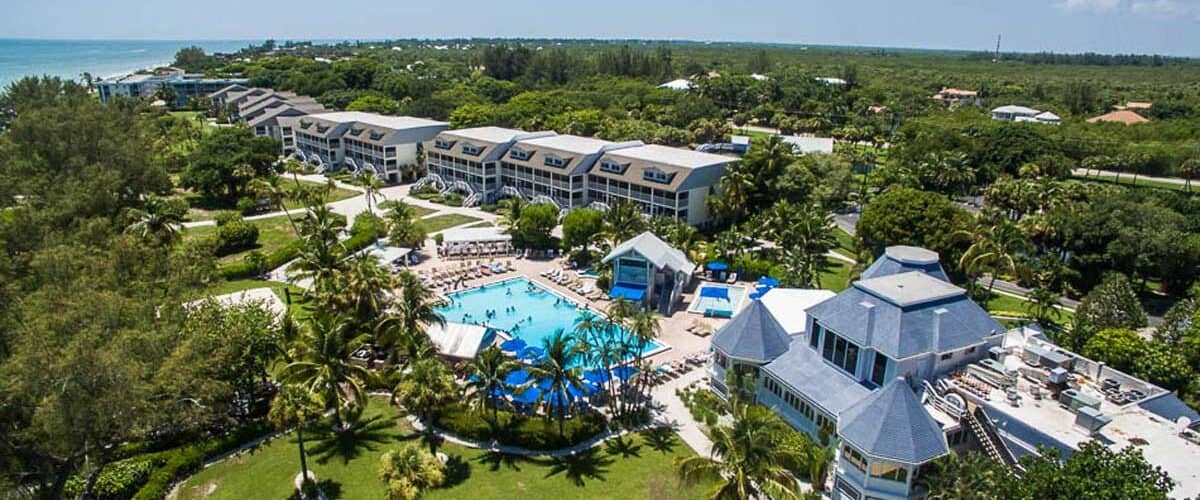
In a lot of cases, these resorts also operate repurchase programs to maintain higher resale values. Conversely, some timeshare systems are basically useless. Since there is no central clearinghouse for resale rates, you often can not approximate a resale cost based on past sales. Lacking historical sales data, you ought to merely acknowledge that the worth of a resale system is whatever price a purchaser and a seller concur on. In many cases, a broker who is active in sales at an offered resort might have some details on resale costs. Although sales rate information for deeded homes will generally be gathered by a regional company as part of the deed recording process, unless you live near the deed recording office you will not easily be able to review these records.
You might have the ability to get some guidance from listings of comparable units that owners are trying to sell. In looking at these listings, you should consider that if an unit has been adequately publicized however has actually not offered after 5 or six months, the system is probably overpriced. The ramification of this is that many advertised prices you will see for resale systems are expensive. One of the difficulties in buying timeshare resales is locating and https://travisouja596.wordpress.com/2022/04/01/the-only-guide-for-how-to-get-rid-of-timeshare-maintenance-fees/ calling owners of timeshare weeks that you might be thinking about purchasing. A few of the principal ways of locating timeshare resales are summarized listed below: Contact resorts at which you are interested in owning.
What Does What Does A Timeshare Compliance Manager Get Paid? Mean?
Some resorts likewise have repossessed units that they are ready to sell. Contact a resale broker. There are resale brokers who concentrate on the timeshare industry. Resort areas with lots of timeshare jobs will frequently have regional brokers who focus on managing timeshare resales in that location. Browse the Internet. Numerous Internet websites (consisting of YANK) have marketing sections that note timeshare systems offered for resale like the Timeshare Marketplace. Numerous timeshare brokers also post their listings on the Web. Check paper categorized advertisements. Individuals thinking about offering a timeshare may place a classified advertisement in a primary newspaper close to the resort.
Check on-line auctions. Some of the online auctions have listings from owners interested in selling timeshares. The e, Bay and Yahoo auction sites are the most popular timeshare auction sites. The process to complete a resale purchase will differ with the type of timeshare unit you are acquiring (deeded, right-to-use, points) and the legal requirements of the jurisdiction in which the timeshare lies. As a minimum, you will need to record your purchase with the resort or, in the case of a points program or holiday club, with the program operator. The resort or program operator will determine the treatments to follow to move ownership in their records, including the documents that need to be completed and the fees they credit change the ownership records.
The agency will typically charge a document-recording charge. If the sale includes purchasing title insurance, the title insurance provider will carry out a title search and release a title insurance coverage. Normally, if you acquire through a broker, the broker will schedule an escrow business to manage the home transfer. If you purchase straight from a seller, you and the seller will need to handle the title transfer process. One alternative is to establish an escrow account with an escrow company. If you are acquiring title insurance coverage, the title insurance provider will generally also be able to supply escrow services.